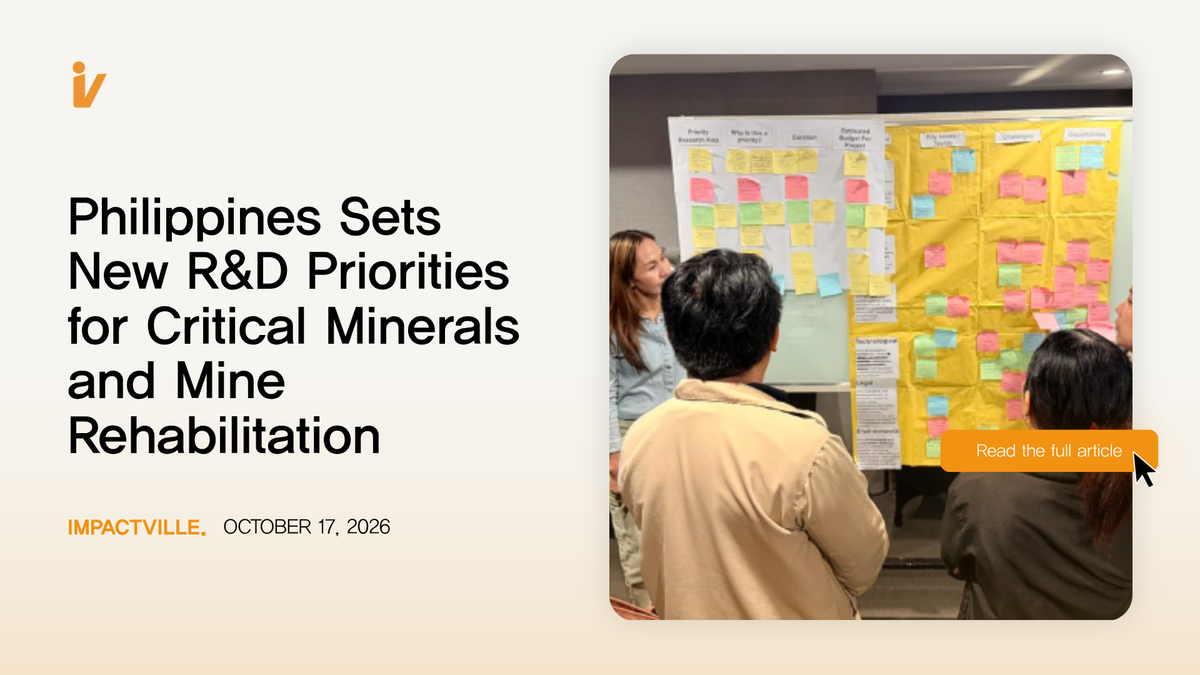
DOST-PCIEERD brings together more than 100 stakeholders to advance mineral processing, resource recovery, and environmental solutions for a more competitive and sustainable mining industry.
The Philippines is strengthening its research and development priorities for the mining and minerals sector, with a new focus on critical minerals, advanced processing technologies, and the rehabilitation of mining-affected environments.
In a report published on October 12, 2026, the Department of Science and Technology–Philippine Council for Industry, Energy, and Emerging Technology Research and Development (DOST-PCIEERD) outlined the results of a two-day consultation held on September 28–29. More than 100 representatives from industry, academe, government, and research institutions participated in discussions to help shape the country's updated Mining and Minerals Sector R&D Roadmaps.
The initiative aims to identify research gaps, technological needs, and the resources required to develop a more innovative, sustainable, and competitive Philippine mining industry.
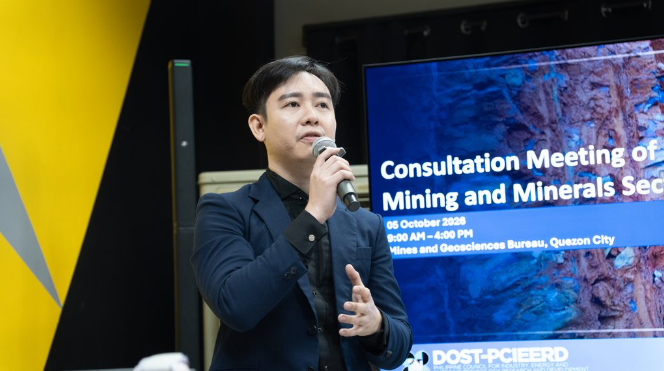
Three Research Roadmaps to Guide Innovation
The consultation focused on three research and development roadmaps designed to address different stages of the mineral value chain, from resource extraction to processing and environmental recovery.
1. Critical Minerals for Emerging and Clean Energy Technologies
The first roadmap focuses on extracting and processing critical minerals from primary sources while exploring ways to recover valuable materials from secondary sources, including waste streams.
Critical minerals are important to various advanced technologies, including renewable energy systems, electric vehicles, batteries, and other industrial applications. Developing local capabilities in this area could help the Philippines strengthen its position in emerging supply chains.
The roadmap also considers circular-economy approaches that could recover useful materials from existing resources rather than relying exclusively on newly extracted ores.
2. Value-Addition and Advanced Mineral Processing
The second roadmap targets advanced and sustainable methods for processing metallic and non-metallic minerals.
Rather than concentrating only on extracting and exporting raw materials, the Philippines can explore opportunities to process minerals into higher-value products for industrial use. This may create opportunities for technology development, specialized manufacturing, and stronger collaboration between researchers and businesses.
The roadmap also highlights circular processing and the recovery of resources from secondary materials, supporting more efficient use of the country's mineral resources.
3. Environmental Assessment and Mine Remediation
The third roadmap addresses the environmental responsibilities associated with mining. Its research priorities include environmental assessment and monitoring, mine waste and tailings management, and the remediation of contaminated, legacy, and abandoned mine sites.
These areas are important because mining activities can affect water quality, soil conditions, ecosystems, and nearby communities if environmental risks are not adequately managed.
Research into monitoring systems, waste treatment, and remediation technologies could help improve environmental management and support the recovery of affected sites.
Aligning Research With National Mining Policy
The consultation also discussed Executive Order No. 122, series of 2026, which provides a national policy framework for developing the Philippine critical minerals industry.
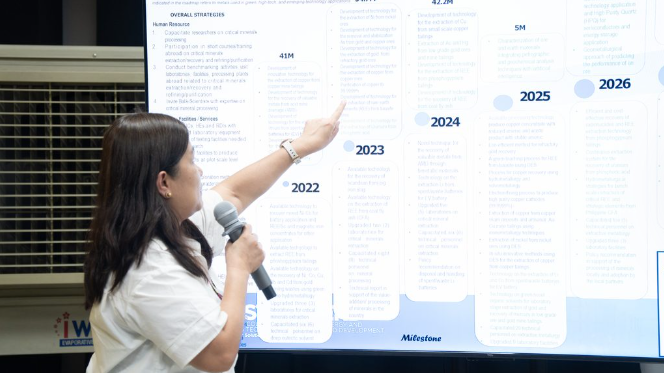
During the discussions, Engr. Geleni Shalaine P. Bello, a senior metallurgist from the Mines and Geosciences Bureau, discussed the order's implications for the mining sector. Engr. Graciela Marie A. Juatco, assistant chief of the Department of Trade and Industry–Board of Investments, also shared insights into opportunities within the Philippine critical minerals industry.
Connecting research priorities with national policy and investment opportunities is important to ensure that scientific work responds to actual industry needs. It can also help researchers identify where technology development may support local processing, industrial applications, and more responsible resource use.
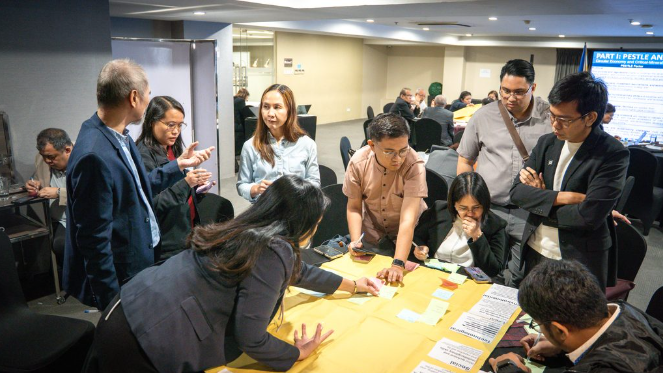
The consultation's workshops and plenary discussions identified priority research needs, technology gaps, and the facilities, skills, data, and policy support necessary to address them.
Why It Matters for Philippine Industry and Sustainability
The country's mineral resources present opportunities for industrial development, but resource availability alone does not guarantee long-term economic benefits.
Investing in research and development can help build local expertise in mineral processing, resource recovery, and environmental technologies. These capabilities may support higher-value industrial activities, reduce dependence on imported processing expertise, and create opportunities for collaboration among universities, research institutions, and private companies.
Environmental research is equally important. Better monitoring, improved management of mine waste, and effective rehabilitation technologies can help reduce the risks associated with mining and support the restoration of affected environments.
Circular-economy approaches could also improve resource efficiency by identifying ways to recover useful materials from mine tailings and other secondary sources. Their feasibility, however, will depend on the characteristics of the materials, technical performance, costs, and environmental safeguards.
Together, these priorities reflect an effort to connect economic competitiveness with responsible resource management.
Continuing the Roadmapping Process
DOST-PCIEERD's work on the Mining and Minerals Sector R&D Roadmaps also includes a fourth area: mining operations, management, and services.
According to the agency's report, additional consultations with the DENR–Mines and Geosciences Bureau and stakeholders from industry, academe, government, and research institutions form part of the continuing roadmapping process.
The broader objective is to establish research priorities that can guide future technology development and strengthen collaboration across the mining and minerals sector.
As demand for critical minerals and advanced industrial materials evolves, the Philippines faces an opportunity to build more domestic expertise—not only in extracting resources, but also in processing them responsibly and addressing the environmental impacts of mining.
The success of these roadmaps will ultimately depend on how effectively research priorities translate into funded projects, practical technologies, industry adoption, and measurable environmental improvements.