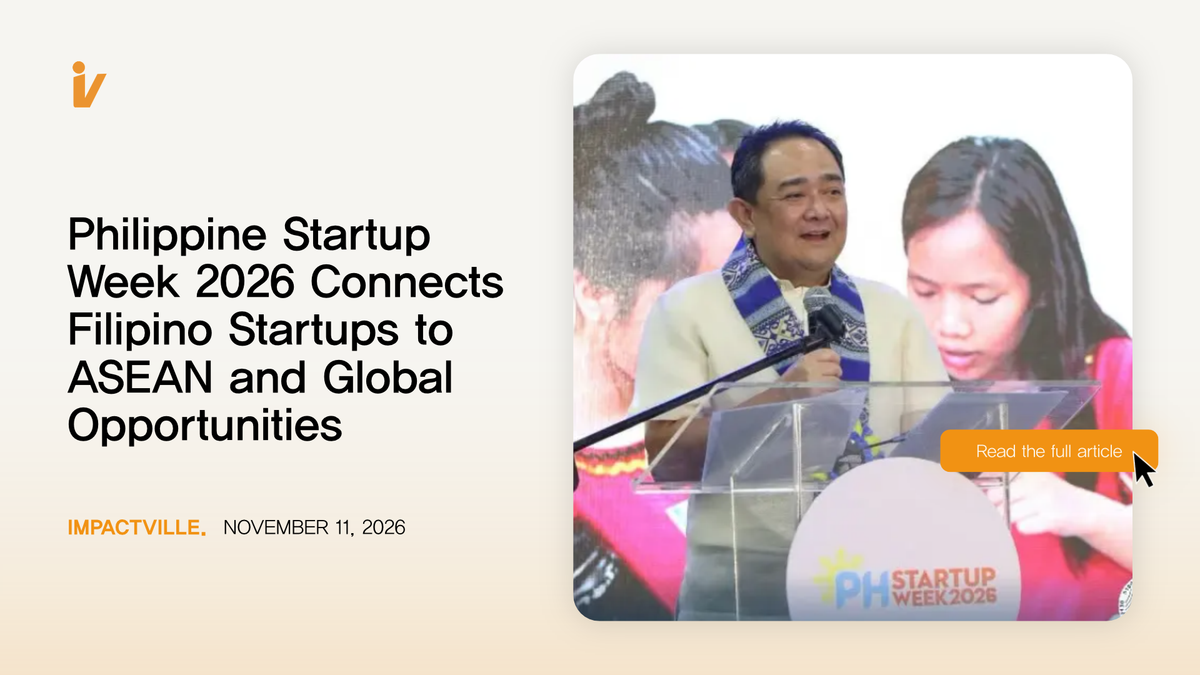
As the Philippines hosts major regional business events under its ASEAN Chairship, Philippine Startup Week is bringing homegrown innovators closer to investors, partners, and international markets.
Filipino Startups Take the Regional Stage
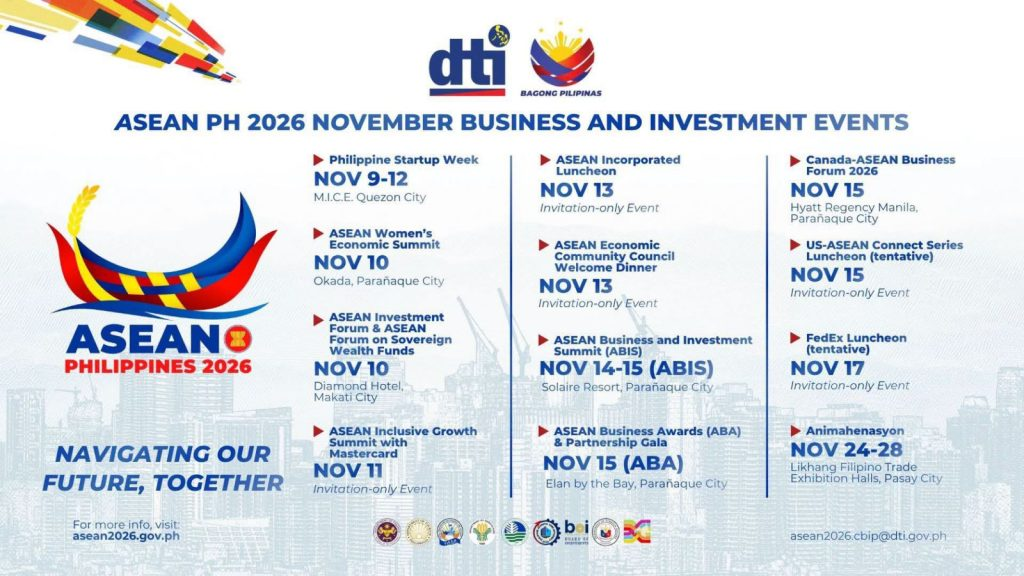
The Philippines is putting its startup ecosystem in the spotlight through Philippine Startup Week 2026 (PHSW26), a four-day national conference running from November 9 to 12 at the Quezon City Meetings, Incentives, Conferences, and Exhibitions (M.I.C.E.) Center.
Carrying the theme “Beyond Borders: Filipino Startups Navigating Our Future,” the event brings together startup founders, investors, corporate executives, policymakers, academic institutions, and other innovation stakeholders. It aims to create opportunities for collaboration, investment, and access to regional and global markets.
Organized by the Department of Information and Communications Technology (DICT), Department of Science and Technology (DOST), Department of Trade and Industry (DTI), and Quezon City government through StartupQC, PHSW26 is also recognized as an official ASEAN side event connected to the Philippines’ 2026 ASEAN Chairship.
This gives Filipino startups an opportunity to engage with the wider Southeast Asian innovation community and showcase locally developed solutions to potential international partners.
Strengthening the Startup Ecosystem
Beyond networking, Philippine Startup Week provides a platform for discussions and activities focused on helping startups develop and scale their ventures.
The event features sessions, workshops, founder discussions, investor engagements, and sector-focused activities organized around five tracks: Discover, Collaborate, Develop, Showcase, and Invest.
These activities are designed to connect founders with resources, expertise, and networks that can support different stages of business development—from developing an idea to attracting investment and entering new markets.
The conference also extends beyond its main venue through independently organized satellite activities led by startup ecosystem partners across the country, allowing more founders and aspiring entrepreneurs to participate.
Government and Industry Collaboration
Government agencies are highlighting the importance of sustained support for Filipino startups as the country continues to advance its digital economy.
DICT, which chairs the Innovative Startup Act Steering Committee for 2026–2027, is leading efforts to strengthen policy coordination and partnerships between government agencies and the private sector.
DOST Secretary Renato Solidum Jr. has emphasized that startups need consistent government support and access to innovation resources to scale. Meanwhile, the DTI is focused on helping enterprises turn promising ideas into sustainable businesses capable of competing internationally.
Quezon City’s participation through StartupQC also highlights the role of local governments in developing innovation hubs and connecting entrepreneurs with wider business networks.
Turning Local Innovation Into Global Opportunities
The growing presence of Filipino startups in regional platforms reflects the country's potential to contribute to Southeast Asia's innovation landscape.
However, gaining international visibility is only one part of building a competitive startup ecosystem. Startups also need access to funding, mentorship, skilled talent, infrastructure, and long-term institutional support to turn promising solutions into sustainable businesses.
Through Philippine Startup Week 2026, the country is creating more opportunities for Filipino founders to connect, collaborate, and explore markets beyond its borders.
As the Philippines continues its ASEAN Chairship, the challenge is to turn these connections into lasting partnerships—and ensure that homegrown innovations can grow into businesses with meaningful impact in the region and beyond.