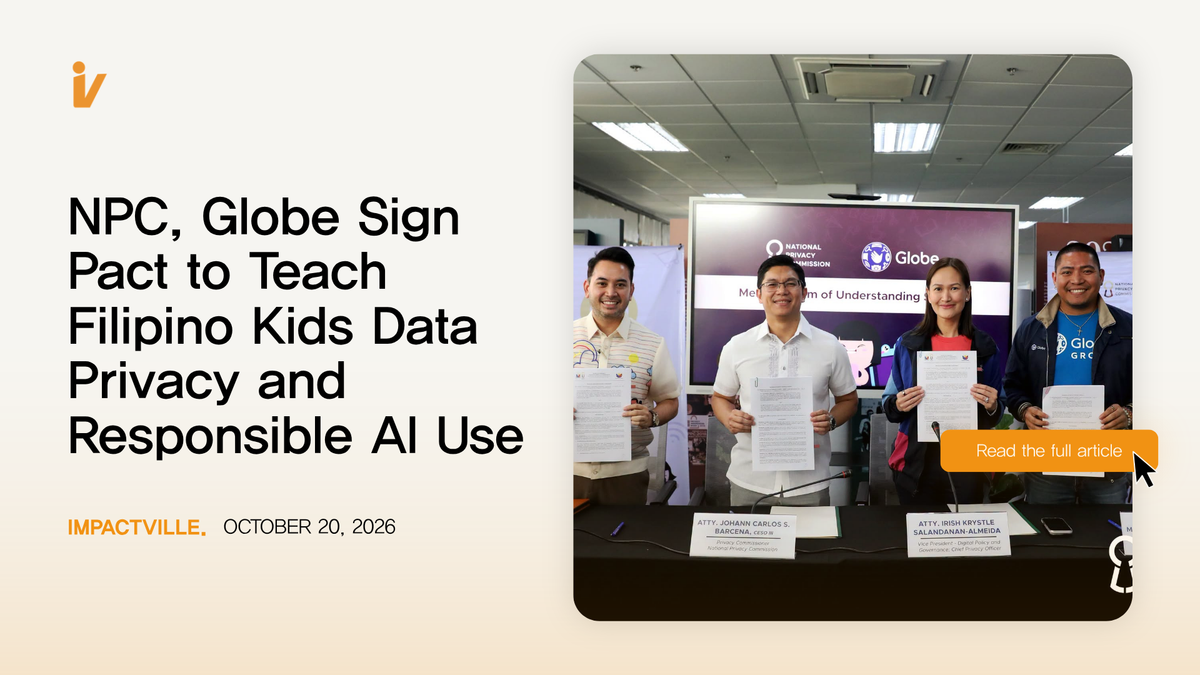
Manila — October 20, 2026. The National Privacy Commission (NPC) and Globe Telecom signed a memorandum of understanding on Monday, October 19, to run joint educational campaigns, training programs and digital safety initiatives for Filipino children. The new pact puts responsible use of artificial intelligence, digital wellness and the rights guaranteed by the Data Privacy Act of 2012 into the lessons.
The agreement arrives in the middle of the most intense national conversation on child online safety in years, with Congress, telcos and global platforms all moving at once.
What the NPC-Globe agreement covers
Under the MOU, Globe will support the NPC's Kabataang Digital Program, which teaches young Filipinos about data privacy, digital citizenship and safe internet habits. Globe may also join the NPC's regional educational caravans and contribute learning materials, including videos from its Digital Thumbprint Program.
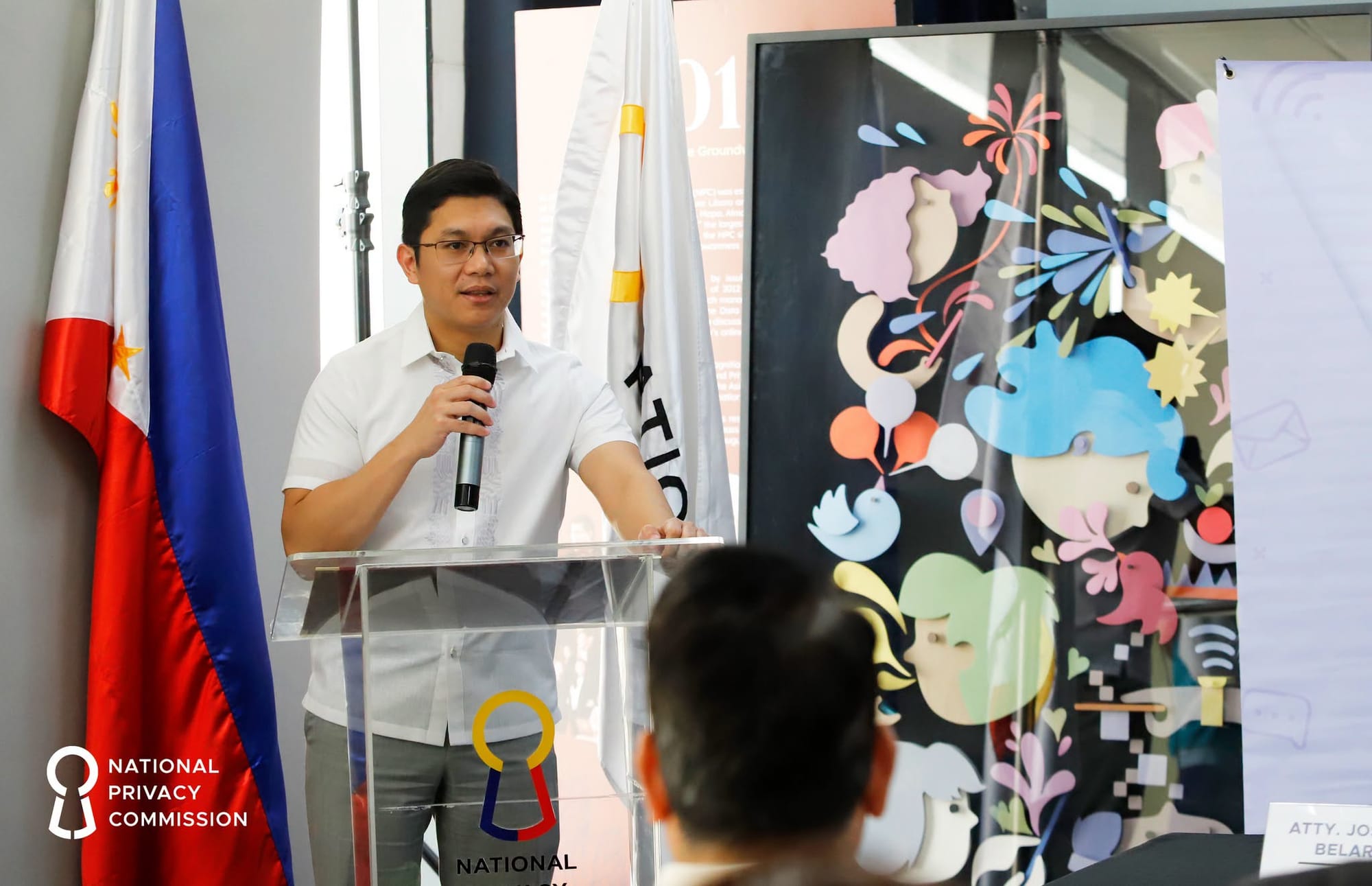
Privacy Commissioner Johann Carlos Barcena said protecting children takes more than technical safeguards: kids also need digital literacy and responsible online habits, so they can enjoy technology and stay safe at the same time. Globe Chief Privacy Officer Irish Krystle Salandanan-Almeida said privacy protection needs stronger policies and safeguards, but also people who understand their rights and can recognize risks.
The partnership aims to reach children, parents and communities nationwide, and puts AI-powered apps squarely in scope as children meet them earlier.
Not a first, but a bigger scope
The two organizations have worked together before. In January 2021, the NPC and Globe teamed up under Kabataang Digital on a free children's book, Safe Space: A Kid's Guide to Data Privacy, produced with the Center for Art, New Ventures and Sustainable Development (CANVAS). Globe's Digital Thumbprint Program supplied workshops for learners, parents and teachers.
What is new in 2026 is the focus on AI and the nationwide reach through regional caravans. Kabataang Digital itself has been running since 2019, and the NPC's own page says it has reached nearly 18,000 young Filipinos. In June 2026, the NPC's Privacy Awareness Week Awards gave its Kabataang Digital Award to Converge ICT Solutions for Project PIGLET, a storytelling program for primary school children, a sign that more private companies are building youth privacy programs.
Why the timing matters
The numbers explain the urgency. DICT Secretary Henry Aguda said in June that nine in ten young Filipinos are online. Senate President Sherwin Gatchalian, citing Philippine Statistics Authority data, said nearly 88 percent of 12-year-old internet users already have social media accounts, even though platforms set age limits.
Three school shootings since June, including one on August 18 that officials said a student livestreamed, have pushed the issue into law and policy:
- Congress: The Senate passed Senate Bill 2424, the Child Online Safety and Protection Act, on third reading on October 8. On October 12 the House approved its own measure barring children under 13 from social media. The two chambers must reconcile their versions. President Marcos said he was studying the Senate bill and warned that a blanket ban could push children to hide their online activity, leaving them more exposed to grooming and abuse.
- Telcos: PLDT and Smart announced on August 21 that they would block more than 100 websites hosting school-shooting footage and other extreme violence. The group later convened its Safe Online Space Forum with government, schools, TikTok and child-protection groups, stressing that no single player can solve the problem alone.
- Platforms: After meetings in Singapore on August 27, Aguda said Meta and Roblox agreed to age verification, parental controls and faster takedowns. Roblox also agreed to integrate the national ID (PhilSys) for age checks and aimed to open a Philippine office as early as October.
The education gap
Most of these measures restrict, block or verify. The NPC-Globe pact works on the other side: teaching children and families to understand their data, spot threats and use new tools like AI chatbots wisely. Child-welfare officials have made the same point. At a June digital literacy event, the Council for the Welfare of Children's Angelo Tapales said children have the right to both meaningful access to technology and protection.
Whether literacy programs can keep pace with the speed of new rules and new apps is the open question. The MOU describes campaigns, training and caravans but, in the reporting available, gives no budget, schedule or reach targets. Those details will show how far the partnership goes beyond awareness
Source: https://privacy.gov.ph/npc-globe-collaborate-to-strengthen-privacy-awareness-and-online-safety-for-filipino-youth/?fbclid=IwY2xjawVD_8JleHRuA2FlbQIxMABwZG9mAWJyaWQRMUZqRWdMWnI2SUJhRTRCNFlzcnRjBmFwcF9pZBAyMjIwMzkxNzg4MjAwODkyAAEeUpnkY24ae6UUVaEV-z8rQyiiSwgPm9xds8S-1i0aa82f0dR7iwmO1TRXt1c_aem_4qrX08AEyQ3CtuC7w9koqQ