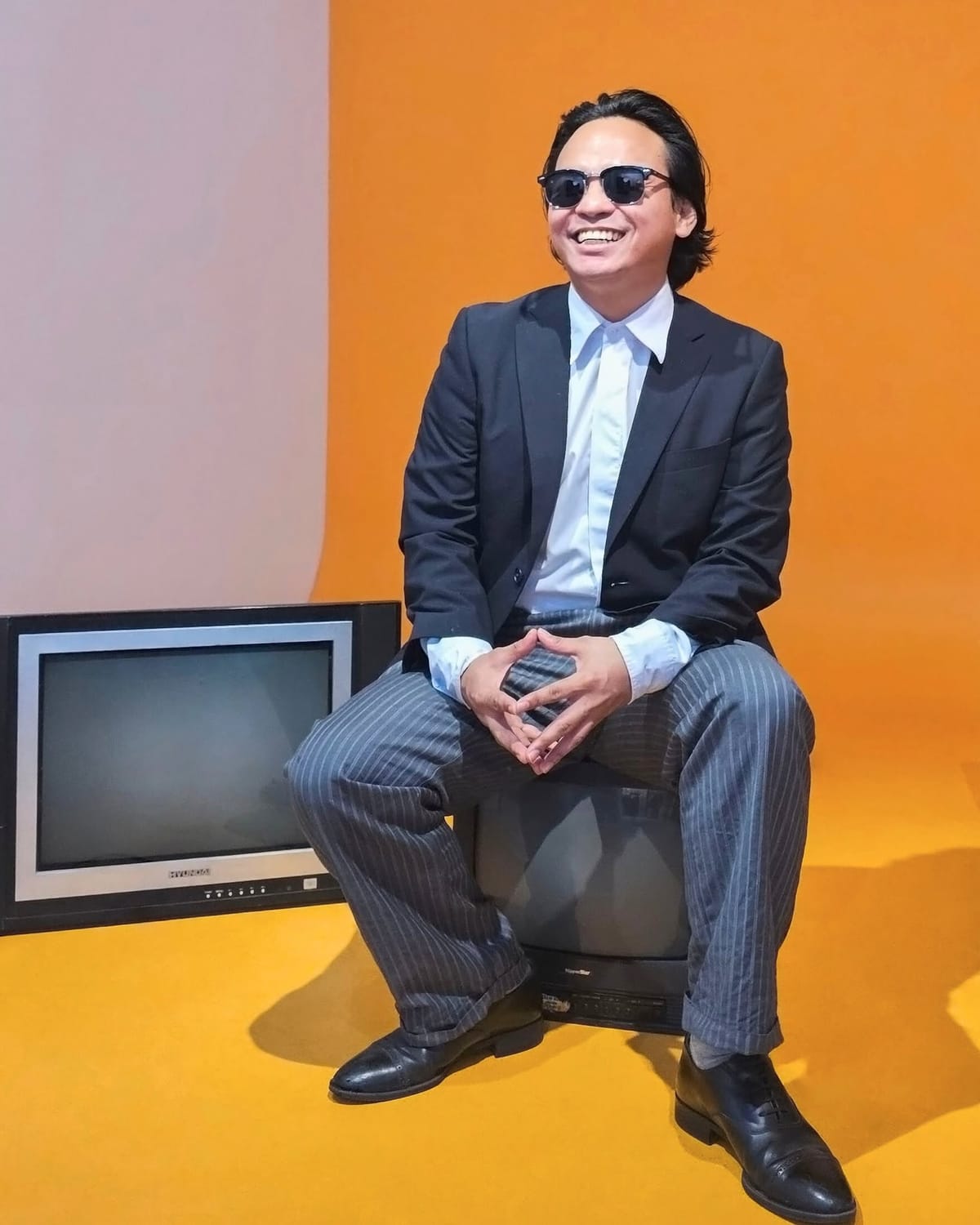
How Isaac Saliendra turned rejection, dyslexia, and poverty into a thriving business empire
When Isaac Saliendra walks into a business meeting today, people see an entrepreneur who built one of the country's most recognizable eyewear brands.
But years ago, people saw something very different.
They saw a young man who didn't look "corporate enough."
They saw a college student struggling with dyslexia.
They saw a kid from a family that sold watches and eyewear on sidewalks to survive.
And many of them told him he would never amount to anything.
Today, that same young man leads Peculiar Eyewear, an award-winning Filipino brand that has sold thousands of affordable computer glasses nationwide and earned recognition as one of the country's most trusted eyewear companies.
His journey is proof that success often comes from the people society underestimates the most.
Rejected Before He Even Started
Isaac was only 20 years old when he launched his first business with just ₱10,000 in capital.
The road ahead was anything but smooth.
One of the country's major online shopping platforms rejected his application to sell products on their marketplace. After weeks of exchanging emails, Isaac finally met the company's representatives in person.
Dressed in a simple T-shirt, jeans, and carrying a backpack, he immediately felt their judgment.
"They looked me up and down," he recalled.
To many, he didn't fit the image of a founder.
But rejection was nothing new.
Growing up, Isaac struggled with dyslexia, making reading and spelling difficult. He became an easy target for bullying. Even in college, discouragement followed him.
The long daily commute from Rizal to the Polytechnic University of the Philippines often took four hours. Yet the bigger burden came from the people who doubted him.
"A lot of people, including professors, told me I wouldn't make it in life," he said.
Instead of breaking him, those words became fuel.
From Sidewalk Vendor to Startup Founder
Entrepreneurship runs in Isaac's blood.
Long before Peculiar became a recognized brand, he learned the basics of business from his father, Ariel.
Together, they bought watches and eyewear from Quiapo and sold them on sidewalks near Luneta Park.
Every sale mattered.
Every customer interaction became a lesson.
Those humble beginnings would later shape Isaac's understanding of what Filipino consumers truly needed: quality products that ordinary people could afford.
Seeing an Opportunity Others Missed
In 2016, Isaac noticed something that would change his life.
Like millions of Filipinos, he spent long hours in front of a computer. The strain on his eyes became impossible to ignore.
When he searched for computer eyewear, he was shocked by the prices.

Most products cost ₱2,000 or more.
For many Filipinos, that price made eye protection a luxury.
Isaac saw an opportunity.
What if quality computer glasses could be affordable?
That simple question became the foundation of Peculiar Eyewear.
The company introduced computer eyewear equipped with SafeShield and BlueShield lenses at prices starting as low as ₱88, making eye protection accessible to a much larger market.
What started as a small experiment soon evolved into a full-fledged business.
Building While Everyone Else Slept
Success didn't happen overnight.
For months, Isaac lived a double life.
By day, he worked as a recruitment specialist.
By night, he packed orders, managed operations, and built Peculiar from the ground up.
The sacrifices were immense.
Then the workplace bullying returned.
According to Isaac, some superiors dismissed his contributions and credited others for work he had accomplished.
"Naiiba kasi ako," he said.
After nine months, he made the decision that many aspiring entrepreneurs fear.
He quit his stable job.
He bet everything on himself.
The Breakthrough
The gamble paid off.
As remote work, digital lifestyles, and online learning expanded, demand for affordable computer eyewear surged.
Peculiar became one of the pioneers of the category in the Philippines.
The company's products are assembled in Rizal, where every pair undergoes multiple stages of inspection and testing to ensure quality and eye safety.
Recognition soon followed.
In 2020, Peculiar won Lazada's Best Fashion Accessory Award and was named Most Trusted Eyewear Brand at the Southeast Asia International Awards.


Today, the company offers a wide range of eyewear products sold through major e-commerce platforms and its own online store.
What started with ₱10,000 has grown into a nationally recognized Filipino brand.
Success with a Purpose
For Isaac, building a company was never just about profits.
It was about creating opportunities for people often overlooked by society.
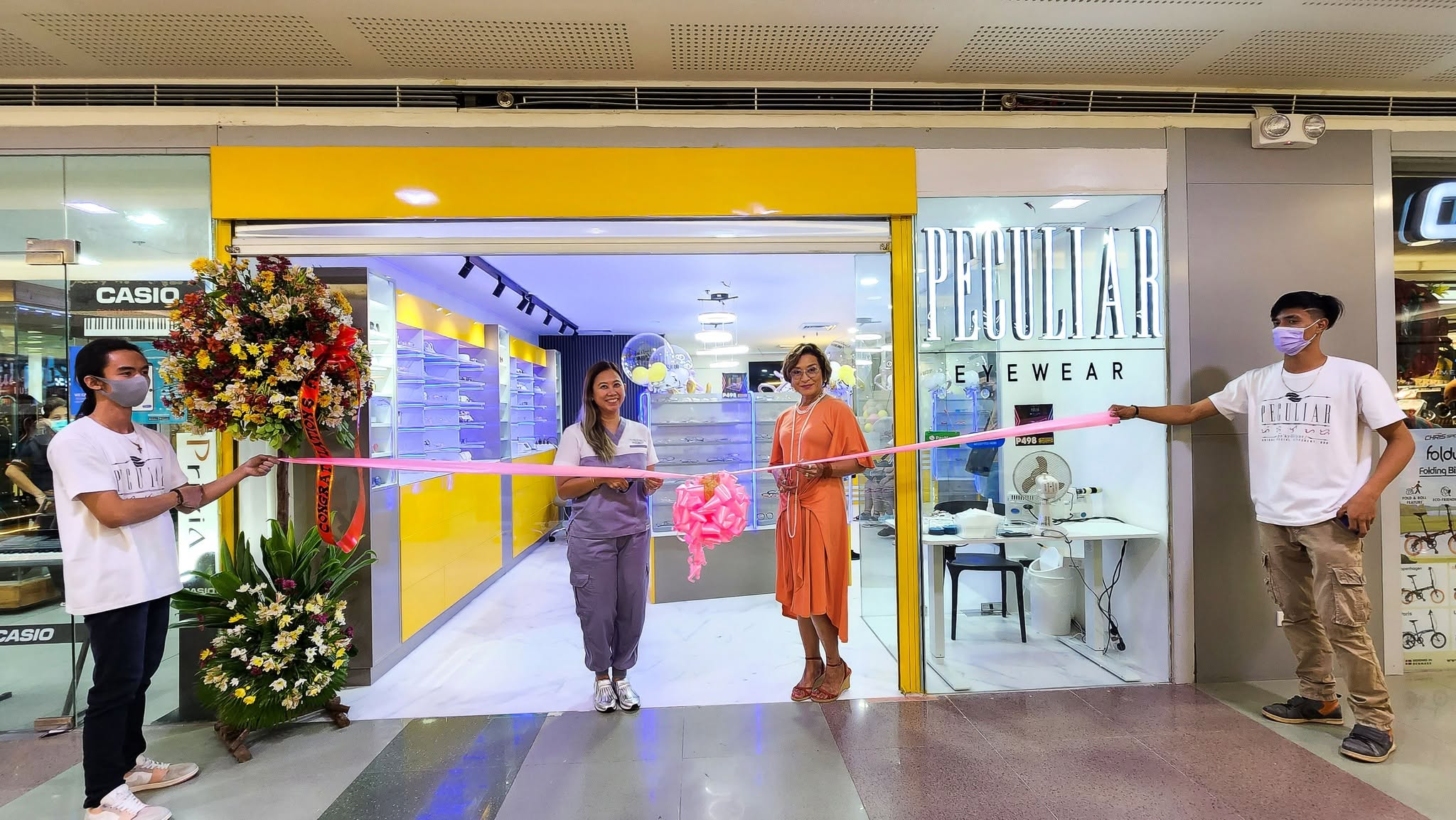
Peculiar hires individuals from diverse backgrounds, including those without college degrees.
"We hire people based on their belief in the company and their willingness to grow," he said.
The philosophy stems directly from his own experience of being underestimated.
If others had closed doors on him, he wanted his company to open doors for others.
That commitment became especially evident during the COVID-19 pandemic.
As lockdowns disrupted lives and businesses across the country, Isaac transformed part of the company's facilities into temporary living quarters for employees.
He covered lodging expenses and provided food sourced from his farm in Quezon to help ensure their safety and well-being.

While many companies were cutting back, Peculiar focused on taking care of its people.
Defying the Odds
Isaac Saliendra's story is not simply about building a successful eyewear company.
It is a story about resilience.
About proving doubters wrong.
About refusing to let dyslexia, poverty, rejection, or stereotypes define one's future.
The same young man who was told he would never succeed now leads a company that helps thousands of Filipinos protect their vision while creating opportunities for people who, like him, have often been overlooked.
Years ago, people judged him because he didn't look like a founder.
Today, his success is a reminder that entrepreneurs don't have to fit a mold.
Sometimes, the most extraordinary businesses are built by the unexpected people with extraordinary why's.