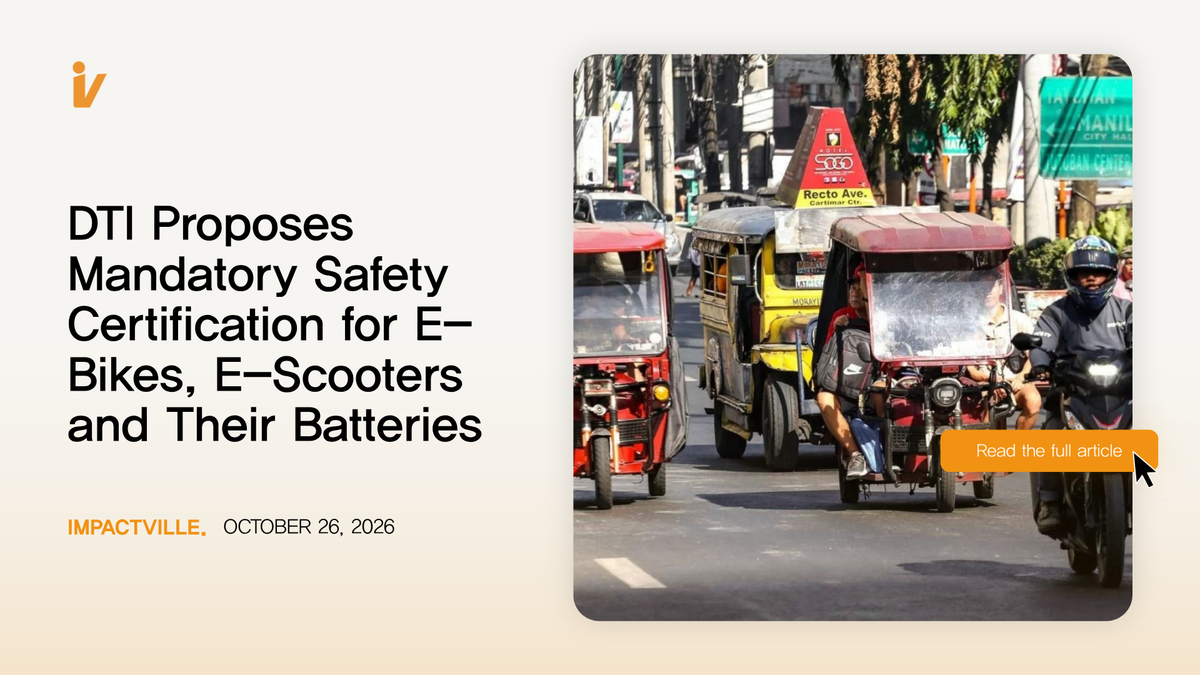
Anyone planning to buy an electric bike or scooter may soon find the vehicle, and its battery, carrying proof of safety certification. The Department of Trade and Industry (DTI) is proposing that light electric vehicles (LEVs) and their batteries pass Philippine National Standards checks before they can be sold or distributed in the country, citing risks of electrical hazards, overheating, malfunctions and fires.

What would be covered
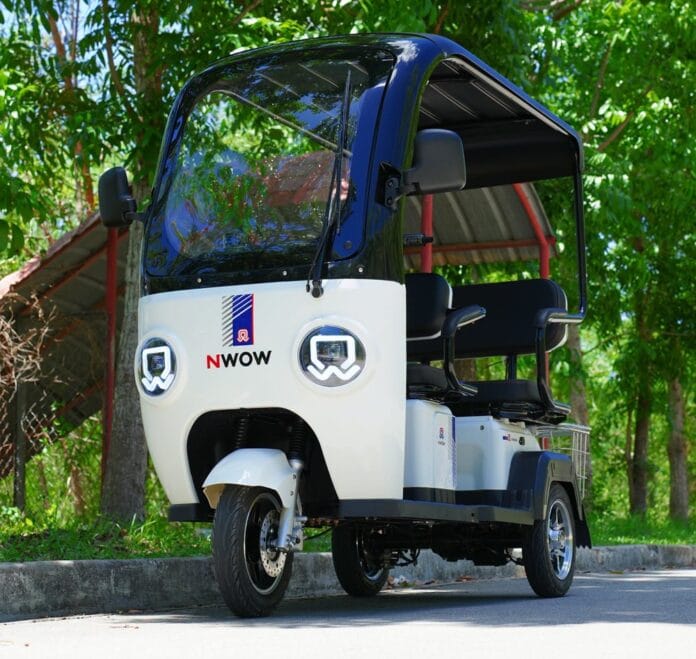
The draft covers electric bicycles, including pedal-assist and non-pedal-assist models, along with personal e-mobility devices such as electric scooters. It also covers electrically propelled mopeds, electric motorcycles and the batteries designed to power them.
Certification would apply to importing, manufacturing, distributing and selling these products. The DTI said the goal is to protect consumers from electric shocks, thermal incidents and fires, and to support what it called "safe and reliable adoption of electric mobility technologies."
Left out of the proposal are charging stations and related equipment, battery-swapping stations, stationary battery energy storage systems and separate electrical components not listed in the regulation. Components may still be tested as part of a complete vehicle when the applicable standards call for it.
Batteries get their own check
The most notable feature of the draft is that batteries would be certified separately from the vehicles they power, rather than being assessed only as part of the finished product. Business outlets noted the proposal comes amid recent reports of fires allegedly caused by faulty batteries, though the sources reviewed did not cite specific incidents or statistics.
At a public consultation held by the DTI's Bureau of Philippine Standards (BPS), UL Standards and Engagement presented international benchmarks for this product class: UL 2271 for LEV batteries, UL 2272 for personal e-mobility electrical systems and UL 2849 for e-bikes. The BPS already lists PNS UL 2271:2024 and PNS UL 2849:2023 among its Philippine standards. The reports did not say which standards the final rules would require.
What sellers could face
According to Context.ph, which reported details of the draft, manufacturers would need Philippine Standard (PS) licenses valid for three years and subject to annual audits. Importers without a PS license would need Import Commodity Clearance (ICC) certification for each shipment. Products would carry a physical PS or ICC mark so buyers and regulators can verify certification.
The BPS could issue show-cause or cease-and-desist orders against companies that fail to comply. Context.ph also reported that violations could lead to penalties, suspended operations and mandatory recalls, and that the draft allows a 12-month voluntary compliance period, with full enforcement 24 months after the order takes effect. These timeline and license details come from a single outlet and have not been confirmed against the draft text.
Context.ph noted that added testing, documentation and inspection requirements could raise costs for smaller importers and distributors. The DTI's existing mandatory certification list, which Inquirer reported covers 111 products including helmets, seat belts and speed limiters, would grow if the rule is approved.
Why it matters
Electric two-wheelers are increasingly used for daily travel, and many are sold online and through informal channels where quality is hard to check. For buyers, a certification mark would offer a simple way to tell whether a unit and its battery were tested. For sellers, it raises the bar for entry.
Whether the final rule strikes a workable balance between safety and cost will depend on the comments the DTI receives before December 13 and on what the BPS decides afterward.
Sources: Manila Times, Tribune, Newsbytes PH, Inquirer, BusinessMirror, Manila Bulletin, Context.ph, Astig.ph