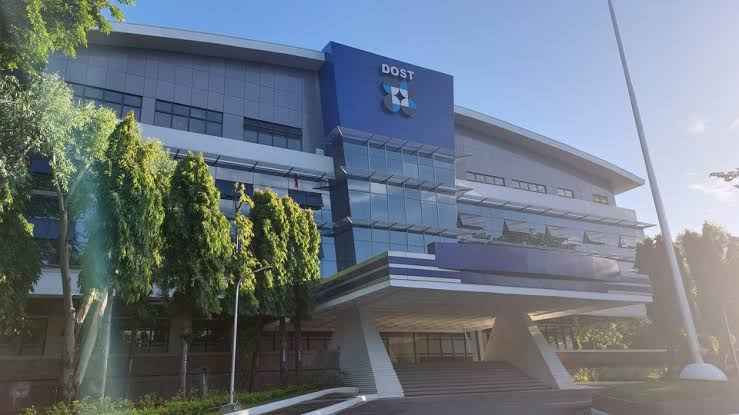
A ₱5-million laboratory at Davao del Sur State College aims to strengthen local environmental research and provide scientific data to help protect water resources and public health.
A new research facility in Davao del Sur is expanding the Philippines’ capacity to investigate environmental pollution, giving local researchers access to specialized equipment for detecting microplastics, heavy metals, and other contaminants.
The Davao del Sur State College Research Center for Emerging Pollutants (DSSC-RCEP) was launched on September 24 with funding from the Department of Science and Technology–Philippine Council for Industry, Energy, and Emerging Technology Research and Development (DOST-PCIEERD).
Reported by Newsbytes.PH on October 21, the ₱5-million facility is designed to support environmental analysis and generate scientific data that local governments, water service providers, and environmental agencies can use when assessing pollution risks.
Scientific Tools for Detecting Hidden Contaminants
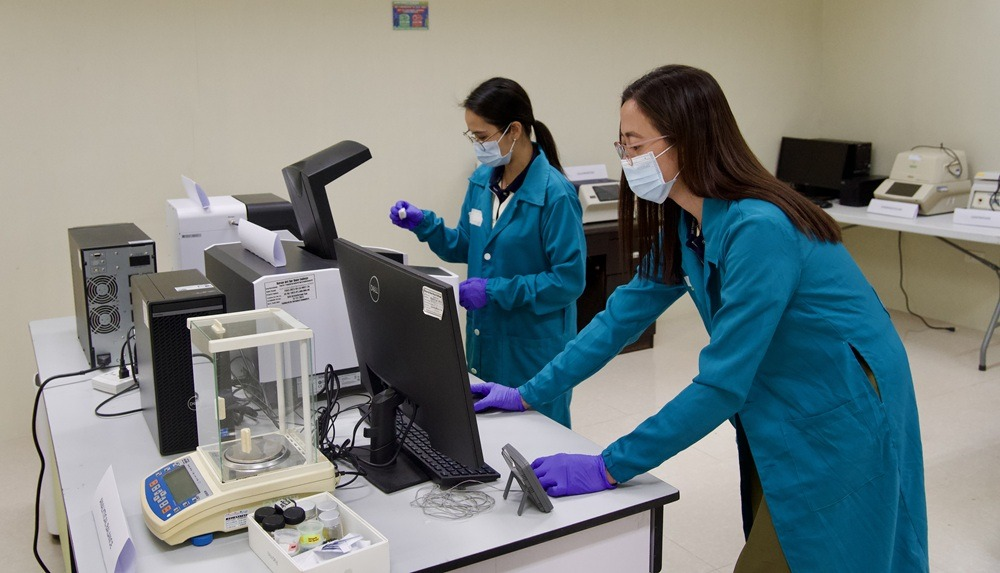
The laboratory is equipped with specialized instruments to identify and analyze pollutants that may be difficult to detect through routine observation alone.
Among its equipment is a Fourier Transform Infrared Spectrophotometer (FTIR), paired with an automatic microplastic preparation device. The facility also has an ultra-low-temperature freezer to support research and sample handling.
These tools can help researchers examine environmental samples and investigate contaminants that may affect water resources, ecosystems, and food sources.
Microplastics—tiny plastic particles resulting from the breakdown of larger plastics or other sources—have become an increasing subject of environmental research. Heavy metals and other pollutants can also pose risks depending on their concentrations, exposure pathways, and the environments in which they are found.
By improving access to laboratory analysis, the center can help generate evidence needed to better understand these potential threats.
Water Quality Concerns in Davao del Sur
The research center comes amid concerns about drinking-water quality in rural coastal communities in the province.
According to DOST-PCIEERD, researchers from Davao del Sur State College found coliform contamination in 16 of 25 drinking-water sources surveyed. Some samples tested positive for Escherichia coli (E. coli), while all four sampling sites examined failed to meet microbiological standards.
These findings highlight the importance of regular water-quality monitoring and appropriate follow-up testing. Coliform bacteria and E. coli can indicate possible fecal contamination, although the implications for a particular water source depend on the test results and applicable health standards.
The province's rivers, groundwater, mangroves, and coastal waters support more than 705,000 residents. Strengthening environmental testing can help local authorities and researchers better assess contamination and determine where further investigation or intervention may be needed.
The reported findings do not establish that all water sources in the province are unsafe. Instead, they underscore the value of continued monitoring and evidence-based water management.
Connecting Research With Local Decision-Making
The center is intended to serve more than academic researchers. It is also expected to support collaboration among local governments, water districts, environmental agencies, farmers, fisherfolk, businesses, and students.
Access to reliable laboratory data can help communities and public institutions investigate environmental concerns, assess possible sources of contamination, and develop more informed responses.
For water service providers, research findings may help guide further testing and monitoring. For local governments and environmental agencies, scientific evidence can support decisions on water protection and pollution management.
The facility is funded through DOST-PCIEERD's Institution Development Program, which aims to strengthen the research capabilities of academic institutions. Building research capacity outside major urban centers can also make specialized scientific resources more accessible to regional communities.
Why Local Environmental Research Matters
Environmental pollution can affect public health, biodiversity, fisheries, agriculture, and access to clean water. Yet identifying contaminants and understanding their effects often require specialized equipment, trained personnel, and reliable data.
A regional laboratory can help address part of that challenge by giving researchers better tools to investigate local environmental conditions. It can also create opportunities for student training, institutional partnerships, and research projects focused on problems experienced by nearby communities.
However, laboratory capacity alone cannot eliminate pollution. The benefits will depend on continued testing, qualified personnel, sustained funding, collaboration with public agencies, and action based on research findings.
For Davao del Sur, the research center represents an investment in the scientific infrastructure needed to understand environmental risks more clearly.
As the Philippines continues to confront concerns about water quality and pollution, facilities like DSSC-RCEP can help bridge the gap between scientific investigation and practical environmental protection—provided their findings translate into effective monitoring and community-level action.