CERT-PH urges government agencies, developers, and hosting providers to patch vulnerable systems as cybersecurity threats highlight the importance of secure digital infrastructure.
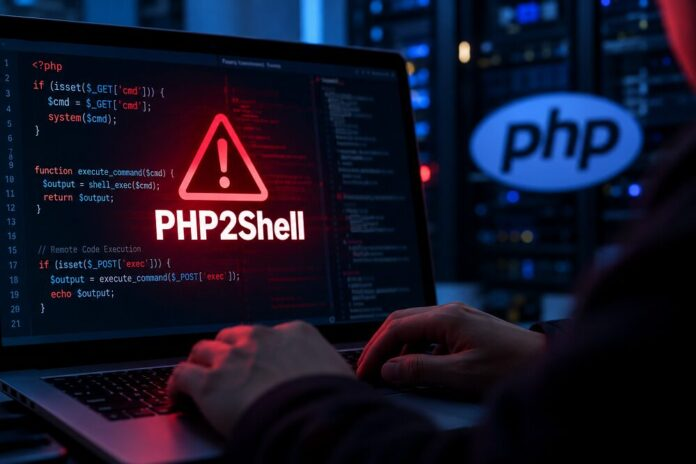
The Philippines’ national cybersecurity response team has warned website administrators and developers to address two critical vulnerabilities in PHP, a programming language widely used to build websites and web applications.
In a report published on October 24, 2026, Newsbytes.PH said the Department of Information and Communications Technology’s Computer Emergency Response Team (CERT-PH) identified the vulnerabilities, known collectively as “PHP2Shell,” in a cybersecurity advisory dated October 22.
The flaws could allow attackers to execute malicious code remotely on affected servers. CERT-PH has urged organizations to check their systems, apply relevant security patches, and monitor for signs of suspicious activity.
Why the Vulnerabilities Matter
PHP is commonly used to power websites and web applications, including systems that handle user accounts, business transactions, and online services.
Remote code execution vulnerabilities are particularly serious because they can potentially allow an attacker to run commands on a vulnerable system without having direct physical access to the server.
Depending on the environment and the level of access obtained, successful exploitation could expose sensitive information, enable unauthorized website changes, or disrupt online services.
CERT-PH identified the two vulnerabilities as CVE-2026-109618 and CVE-2026-109619. The advisory calls on organizations to determine whether their PHP environments are affected and take appropriate corrective action.
The warning applies to both public- and private-sector organizations operating vulnerable systems. However, the report did not establish that any Philippine organization had already been compromised through these flaws.
What Organizations Should Do
CERT-PH recommends that system administrators and hosting providers inventory their PHP installations, identify affected systems, and install the appropriate security updates.
Web developers should also review the PHP versions used by their applications and confirm that the underlying hosting environments are secure.
Organizations are encouraged to monitor server and application logs for unusual activity. If a compromise is suspected, they should activate their incident-response procedures and take steps to contain the threat.
The agency also emphasized that security measures must address vulnerabilities in the underlying server software, not just issues within an individual application.
These steps are important because updating a website’s visible features alone may not resolve weaknesses in the software and infrastructure that run it.
Cybersecurity Is Essential to Digital Innovation
As more Philippine businesses, government agencies, and communities rely on online platforms, secure digital infrastructure becomes increasingly important.
Websites and applications can help organizations reach customers, deliver services, and manage information more efficiently. But these benefits also depend on protecting the systems and data behind those services.
For small businesses and startups, a cybersecurity incident can disrupt operations, undermine customer trust, and create unexpected recovery costs. For public institutions, compromised systems may affect access to essential online services.
Regular software updates, vulnerability assessments, monitoring, and clear incident-response plans are therefore important parts of responsible technology adoption.
The warning also highlights the need for organizations to treat cybersecurity as an ongoing responsibility rather than a one-time technical task.
Building More Resilient Digital Systems
The PHP vulnerabilities serve as a reminder that digital transformation must go hand in hand with security.
Developers, hosting providers, technology companies, and government agencies all have roles to play in identifying weaknesses and maintaining reliable systems. Timely patching and coordinated responses can help reduce exposure to known threats, although no single measure can eliminate every cybersecurity risk.
For the Philippines, strengthening cybersecurity practices will be important as more services move online and organizations expand their use of digital tools.
Protecting digital infrastructure is not only about preventing attacks—it is also about maintaining the reliability, trust, and continuity needed for innovation to benefit businesses and the public.