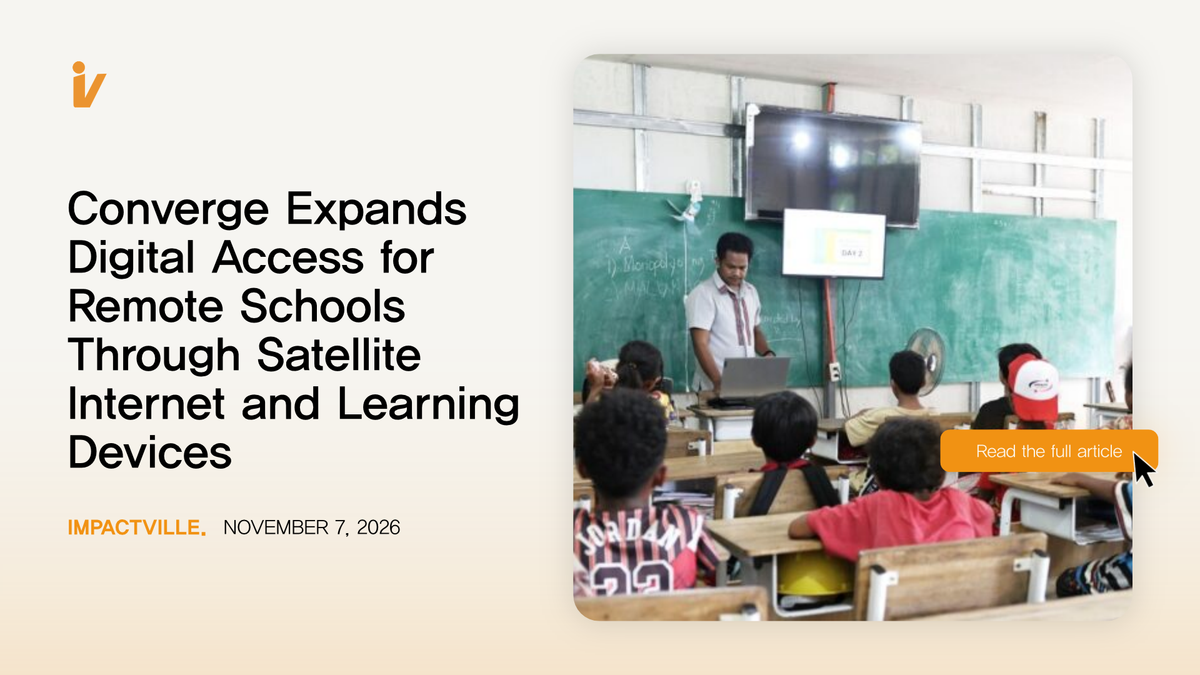
Satellite connectivity and digital learning devices are helping bring more educational opportunities to students in underserved communities across the Philippines.
Telecommunications company Converge ICT Solutions Inc. is expanding digital access for remote schools through satellite internet connectivity, learning devices, and educational support initiatives in several provinces.
In Zambales, the company provided the ADBSA Aeta Integrated School with a Starlink Mini satellite internet unit and 50GB of monthly data for one year at no cost. The school serves more than 300 elementary and secondary students, many of whom face challenges accessing reliable internet connectivity.
The initiative aims to help students and teachers access online learning resources and digital educational materials, particularly in communities where traditional internet infrastructure remains limited.
Bringing Connectivity to Underserved Communities
Reliable internet access remains a challenge for many schools located in geographically isolated and underserved areas.
Satellite internet offers an alternative where conventional broadband infrastructure may be difficult or costly to establish. By providing connectivity to the ADBSA Aeta Integrated School, the initiative seeks to reduce barriers to digital learning and give students more opportunities to use online educational resources.
Access to the internet can also support teachers in preparing lessons, finding instructional materials, and incorporating digital tools into classroom activities.
Supporting Digital Learning Beyond Internet Access
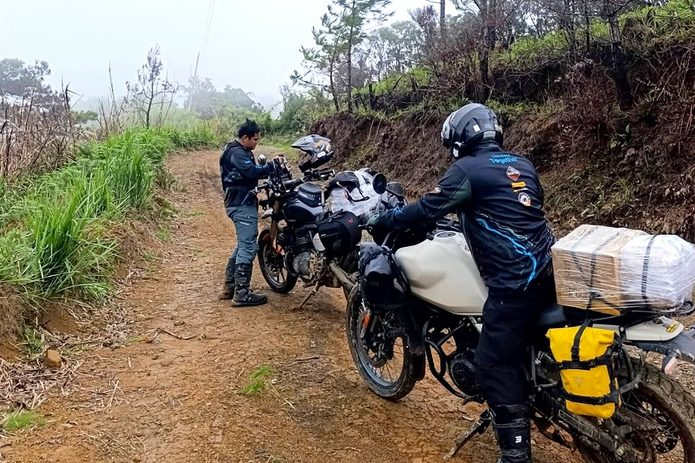
Converge also partnered with RAMTAT Ph to distribute tablets, school supplies, and snacks to students at Ansipsip Elementary School and Domolpos Elementary School in Nueva Vizcaya.
The distribution complements connectivity initiatives by providing students with devices and learning materials that can support their educational activities.
In another initiative, the company extended financial assistance for classroom ceiling repairs at San Isidro National High School in Samar, addressing a separate infrastructure need in the education sector.
Technology as a Tool for Inclusive Education
The initiatives highlight how digital infrastructure and learning devices can contribute to more inclusive education, particularly for communities with limited access to resources.
However, providing connectivity is only one part of closing the digital divide. Schools also need appropriate devices, digital literacy support, reliable power, and relevant learning materials to make technology more useful in everyday education.
For remote communities, partnerships between telecommunications companies, schools, and local organizations can help address these interconnected challenges.
As more educational activities incorporate digital resources, expanding access to connectivity and technology remains an important step toward giving students across the Philippines more opportunities to participate in an increasingly digital world.