
As the search for a new Department of Information and Communications Technology chief draws attention, the contrasting strengths of potential candidates raise questions about the country’s digital future.
The possible leadership transition at the Department of Information and Communications Technology (DICT) has renewed discussions about the kind of leadership needed to advance the Philippines’ digital transformation.
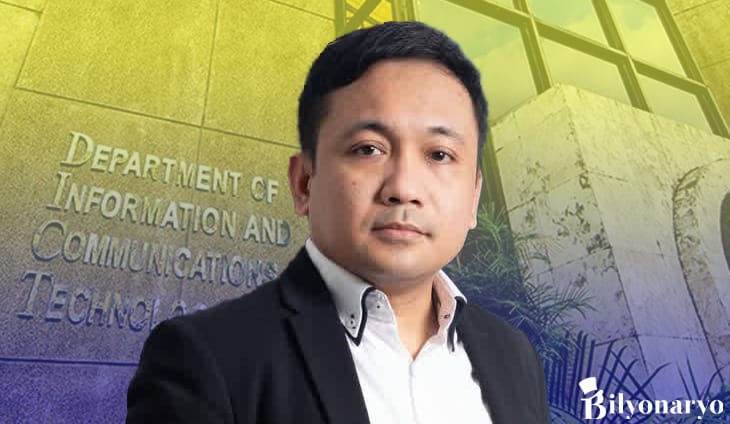
Among the names being considered are DICT Undersecretary for e-Government David “Dave” Almirol Jr. and former presidential spokesperson Edwin Lacierda. Their different professional backgrounds offer contrasting perspectives on how the country could approach digital government, technology development, and public-sector leadership.
Almirol’s Technical Background
Almirol’s work in e-government places digital services and technology implementation at the center of his public-sector experience. His background is relevant to the challenge of improving government systems, expanding digital access, and making public services more efficient through technology.
As government agencies continue to adopt digital platforms, leadership will require an understanding of how systems are developed, implemented, secured, and maintained. Technical expertise can help guide decisions on digital infrastructure and ensure that technology initiatives respond to the practical needs of citizens.
However, the success of digital transformation also depends on effective coordination, public accountability, and the ability to turn technical plans into sustainable government programs.
Lacierda’s Governance and Communications Experience
Lacierda brings experience in government communications and public affairs, having served as presidential spokesperson. He is also associated with the fintech sector through PayMongo.
His background offers a different perspective on leadership, particularly in communicating government priorities, coordinating with stakeholders, and navigating the relationship between public institutions and the private sector.
In a department responsible for shaping the country’s information and communications technology landscape, these capabilities can matter alongside technical knowledge. Digital initiatives require not only functioning systems but also clear policies, public trust, and cooperation among government agencies, businesses, and technology communities.
The Broader Challenge for DICT
The discussion goes beyond choosing between technical expertise and governance experience. The next DICT chief will face the challenge of balancing both while addressing digital infrastructure, cybersecurity, e-government services, and the responsible use of technology.
The department also needs to maintain public confidence as government digital initiatives face greater scrutiny. Decisions involving online platforms and technology projects demonstrate why transparency, sound policy, technical understanding, and accountability must work together.
A strong digital strategy requires leadership that can understand technology while ensuring that its implementation serves the public interest.
What Comes Next?
TechWatch PH reported on October 11 that Almirol led an informal Facebook poll on potential successors to outgoing DICT Secretary Henry Aguda. The poll gathered 855 reactions, with Almirol receiving 602 likes, while Lacierda received 126 heart reactions.
The publication noted that the results reflected the preferences of people who reacted to the social media post and were not a scientific or nationally representative survey. The poll should therefore be viewed as a snapshot of online sentiment, rather than a measure of nationwide public opinion.
Ultimately, the decision rests with President Ferdinand Marcos Jr. As the Philippines continues to pursue digital transformation, the next DICT secretary’s priorities and ability to deliver measurable results will be more consequential than online popularity alone.