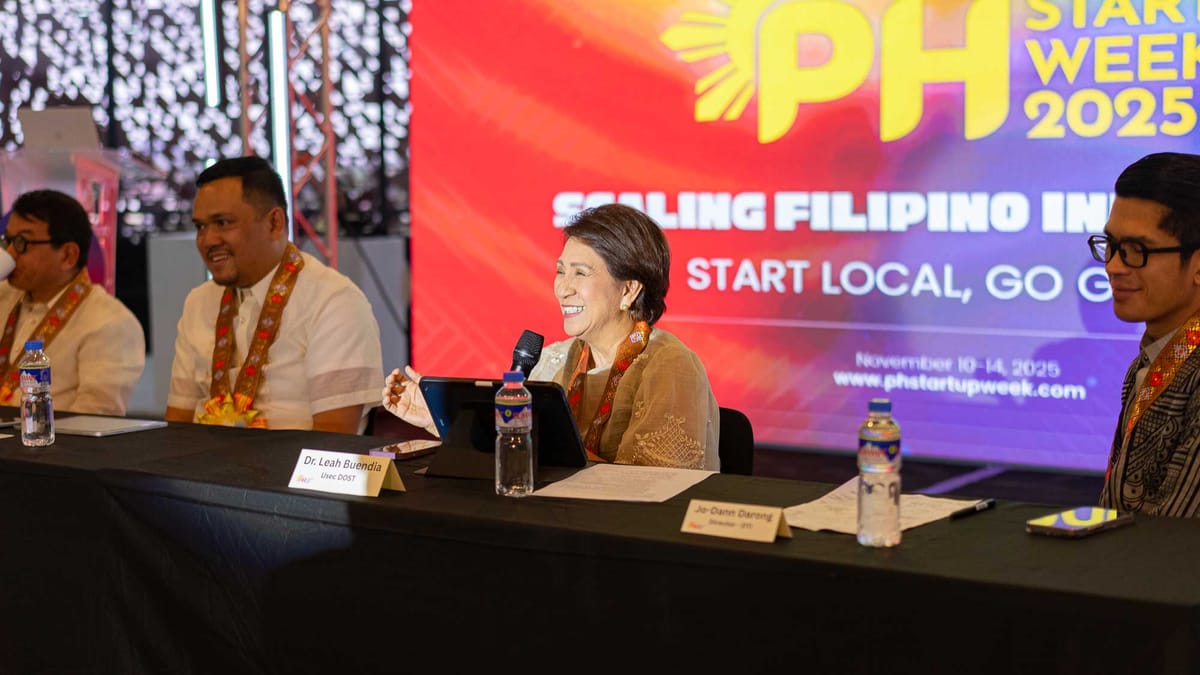
The Philippine startup ecosystem is gaining momentum, with the Innovative Startup Act (ISA) Steering Committee announcing that it has mobilized ₱2.1 billion in government support for startups. The funding is said to have directly benefited 212 startups while helping incubate more than 2,200 others through a nationwide network of 158 technology business incubators and innovation hubs.
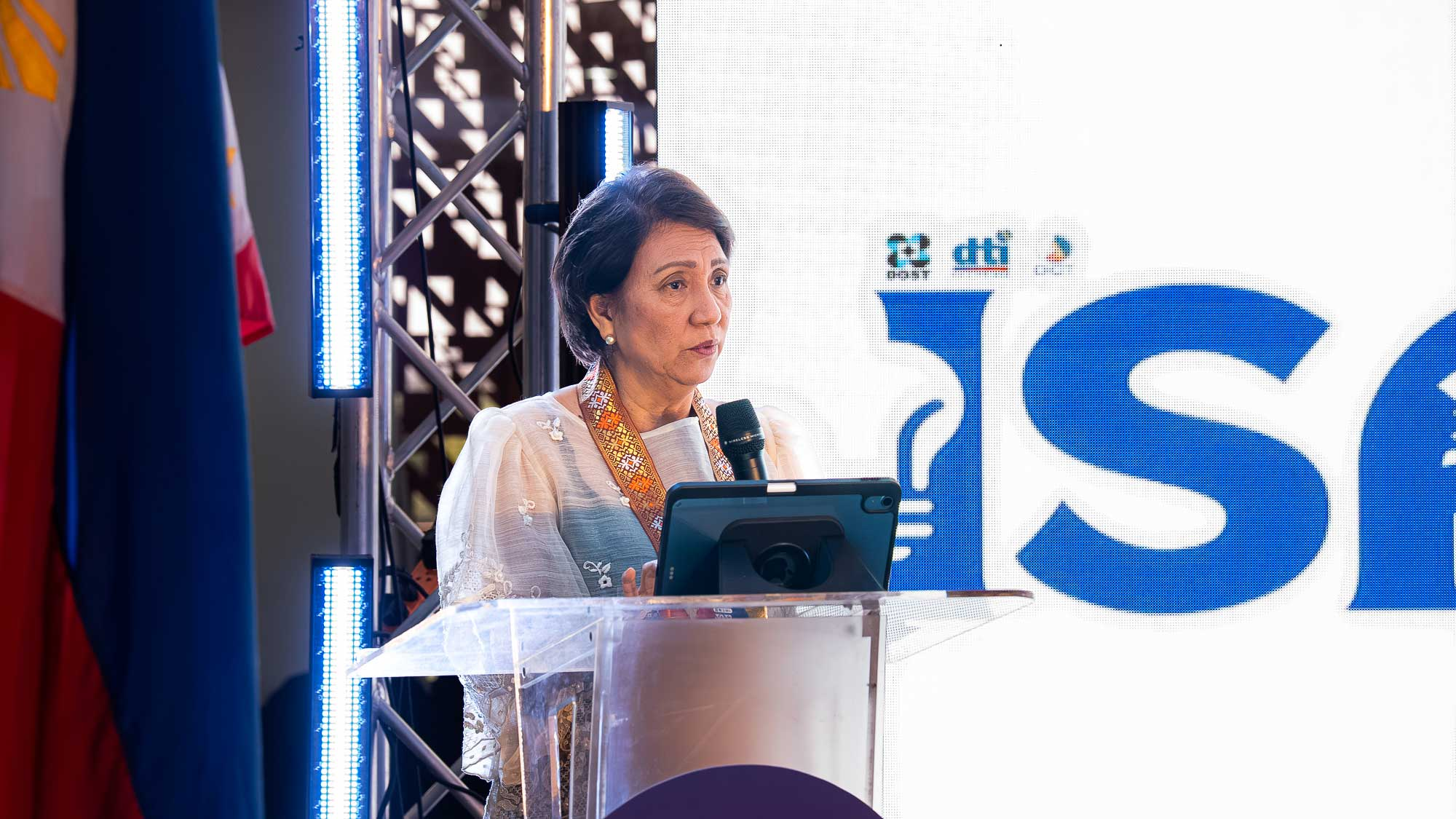
Beyond the numbers, growth is increasingly being driven outside Metro Manila. Regional startup activity has surged by 90 percent, while venture funding has grown by 25 percent, reflecting the success of the government's “Start Local, Go Global” strategy.
Three new Philippine cities—Iloilo, Cauayan, and Solana—have entered the Global Startup Ecosystem Ranking, joining Manila, Cebu, Davao, Cagayan de Oro, and Naga,
The committee has unveiled its ISA 2030 Vision, an ambitious roadmap aimed at producing four Philippine unicorns and attracting $10 billion in startup investments by the end of the decade.
As the new Chair of ISA Steering Committee, DICT is now leading the efforts through 2027, focusing on expanding digital infrastructure, strengthening startup-friendly policies, and accelerating innovation nationwide.
A key component of the strategy is positioning government as an early adopter of local technologies through the New Government Procurement Act, giving startups greater opportunities to secure public-sector contracts. The Tatak Pinoy Act is also expected to boost support for homegrown innovation and globally competitive Filipino products.
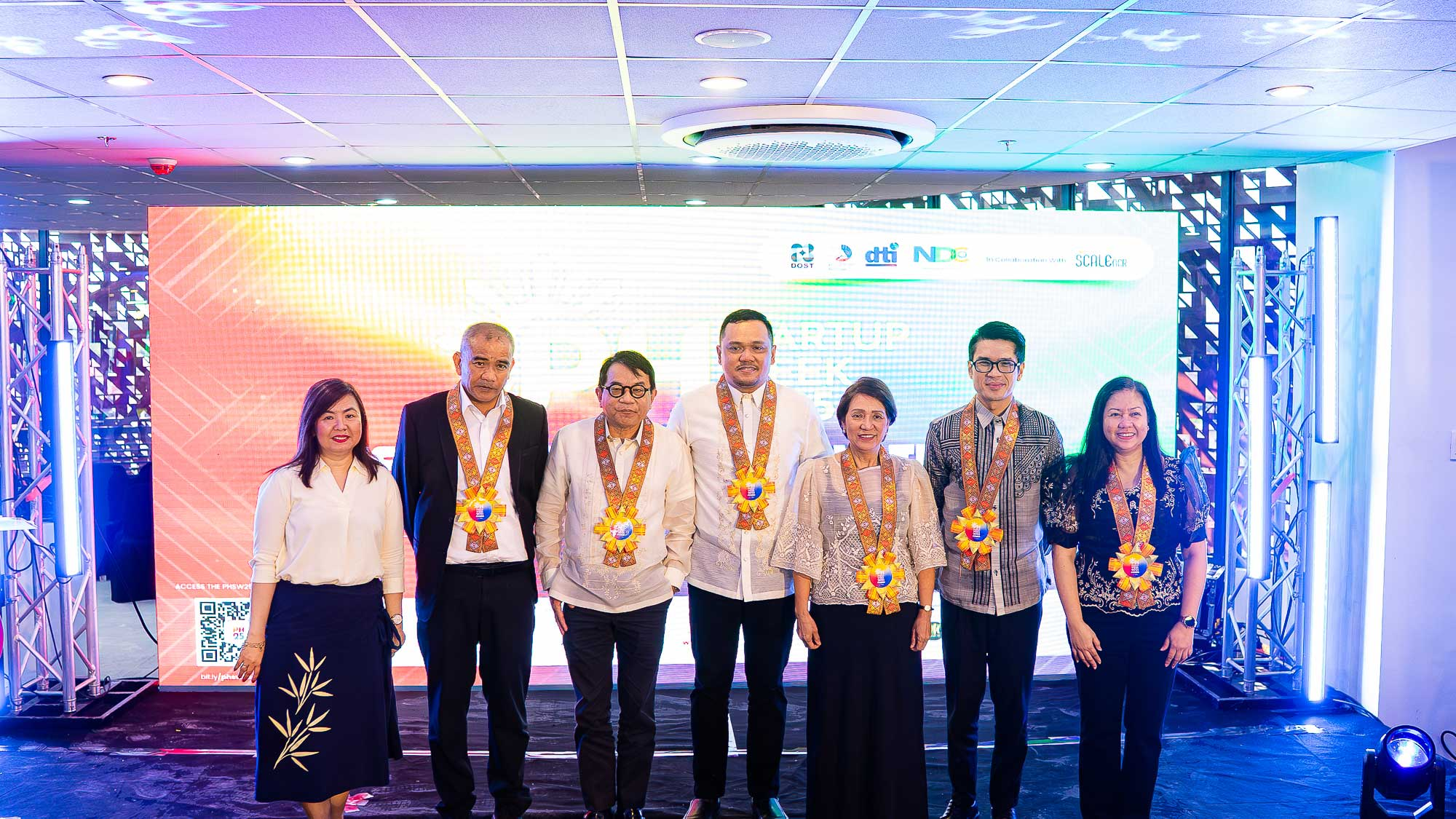
To address connectivity challenges, the government is advancing several major initiatives, including the Free WiFi Program, the Kunektadong Pinoy Program, a national fiber backbone network, and expanded satellite connectivity. A centralized Philippine Startup Portal is likewise being developed to connect founders, investors, mentors, and support organizations across the ecosystem.
The ₱2.1 billion mobilized under the ISA comes from various government-led programs. DOST continues to manage the Startup Grant Fund, providing non-dilutive funding for research, development, and commercialization. The National Development Company oversees venture investments, while the Department of Trade and Industry drives programs aimed at strengthening competitiveness and expanding market access for Filipino startups.
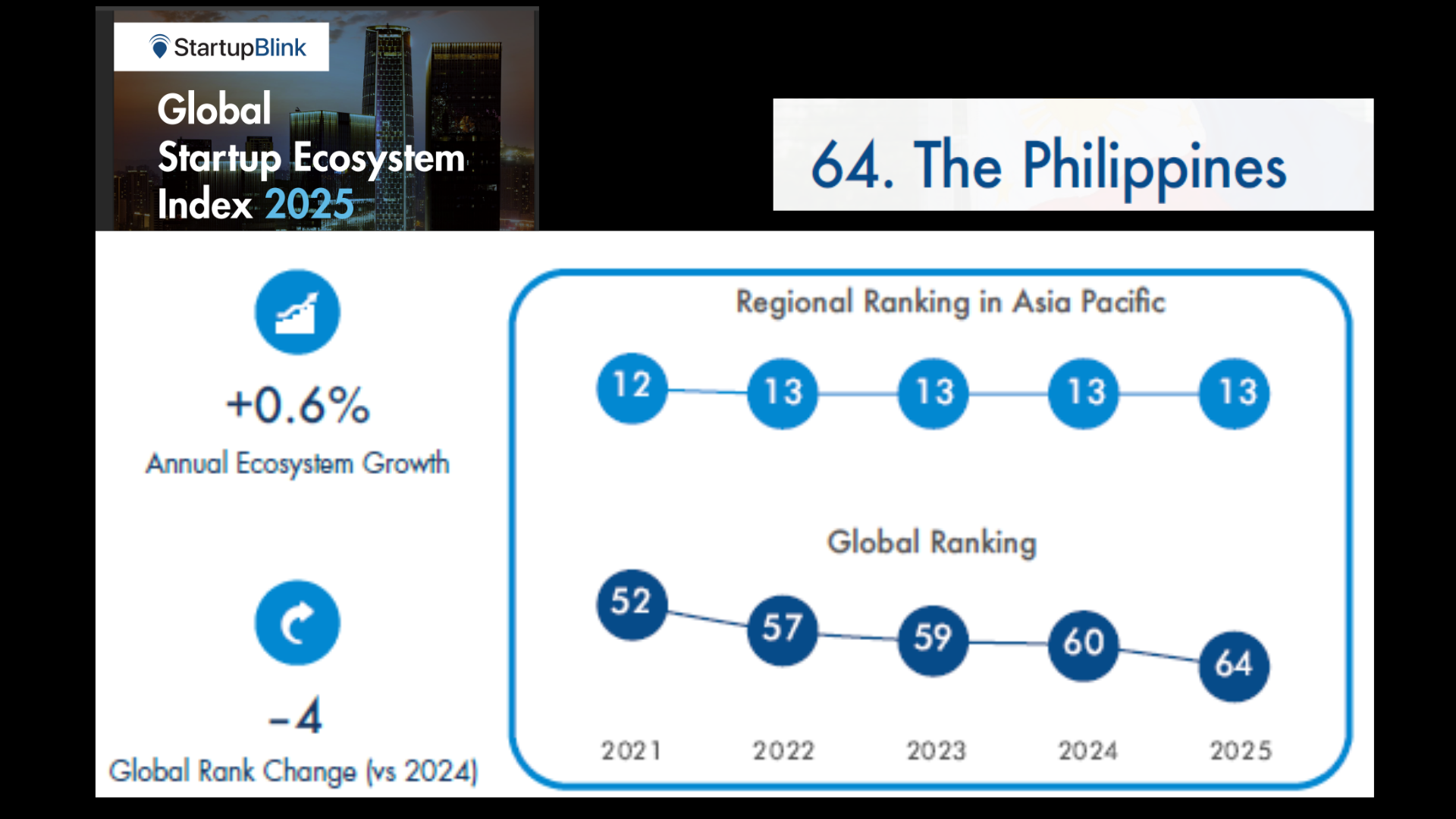
The announcement comes as the Philippines slipped four places to 64th in the 2025 Global Startup Ecosystem Ranking. Despite the decline, government officials maintain that ecosystem fundamentals are strengthening, citing growing regional participation, increased investment activity, and expanding support infrastructure as indicators of long-term growth.